Overview
Southern Kenya holds two of the continent's most recognisable wild landscapes side by side, and this five-day circuit lets you experience both without a single wasted hour on the road. Amboseli National Park sits in the rain-shadow of Africa's highest peak, and the image that defines it — a loose-knit elephant family wading through swamp grass with Kilimanjaro floating in the clouds behind them — is not a postcard cliché but an almost daily occurrence. The park's open short-grass plains and spring-fed marshes concentrate wildlife in a way few ecosystems can match: elephant herds that number in the hundreds, Cape buffalo grazing beside crowned cranes, and a lion population that hunts openly in the yellow-fever acacia woodland at the park's fringes.
From Amboseli you cross into Tsavo West, part of the vast Tsavo ecosystem that together forms Kenya's largest protected area. Tsavo West is the wilder, more dramatic half — a terrain of ancient lava flows, mopane woodland, and red-dust luggas that rewards the curious traveller with a sense of true wilderness. The Shetani lava field, a tortured black expanse stretching toward the horizon, is one of the most geological striking sights in East Africa, believed to have erupted roughly 200 years ago and still largely unvegetated. Not far away, the Mzima Springs bubble up from that same volcanic aquifer at roughly 50 million litres a day, feeding a crystal pool where hippos drift in gin-clear water and Nile crocodiles bask on papyrus banks.
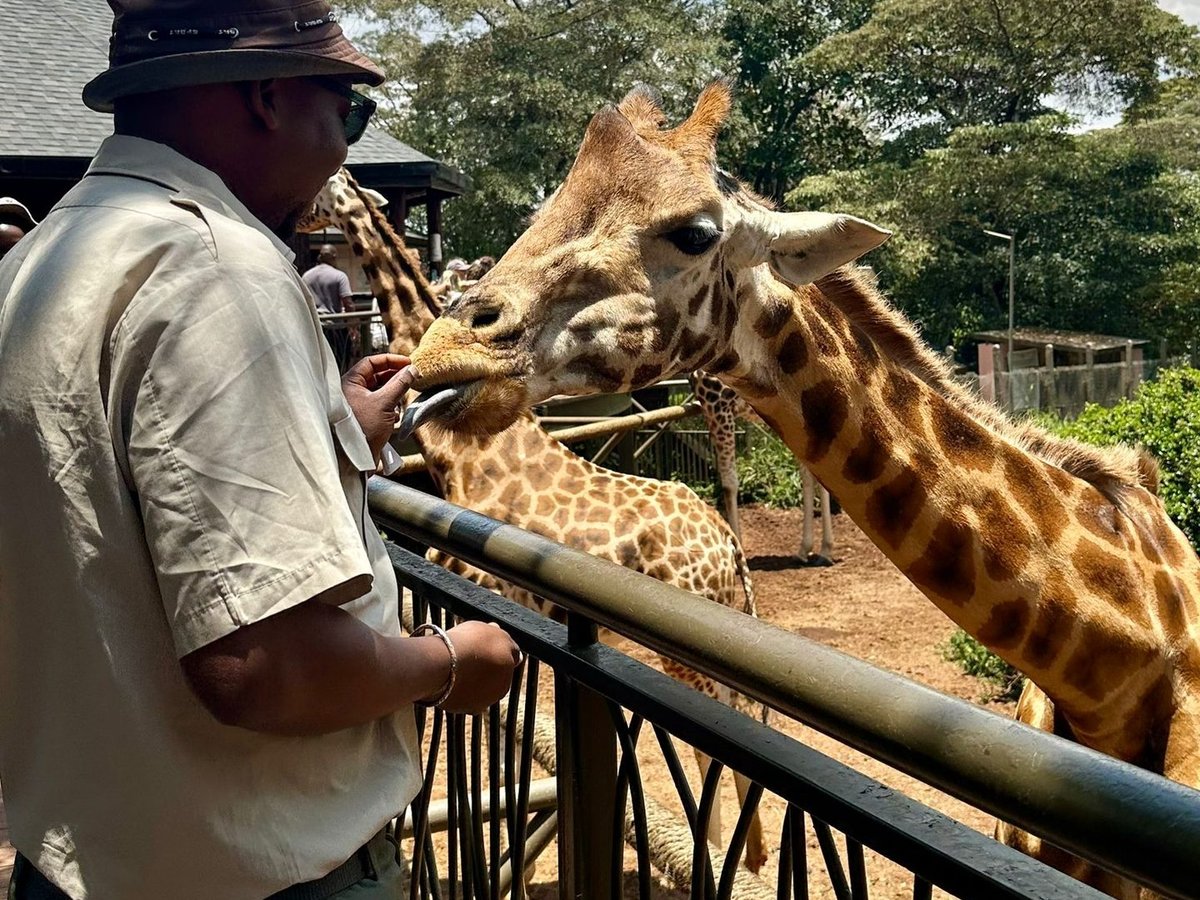
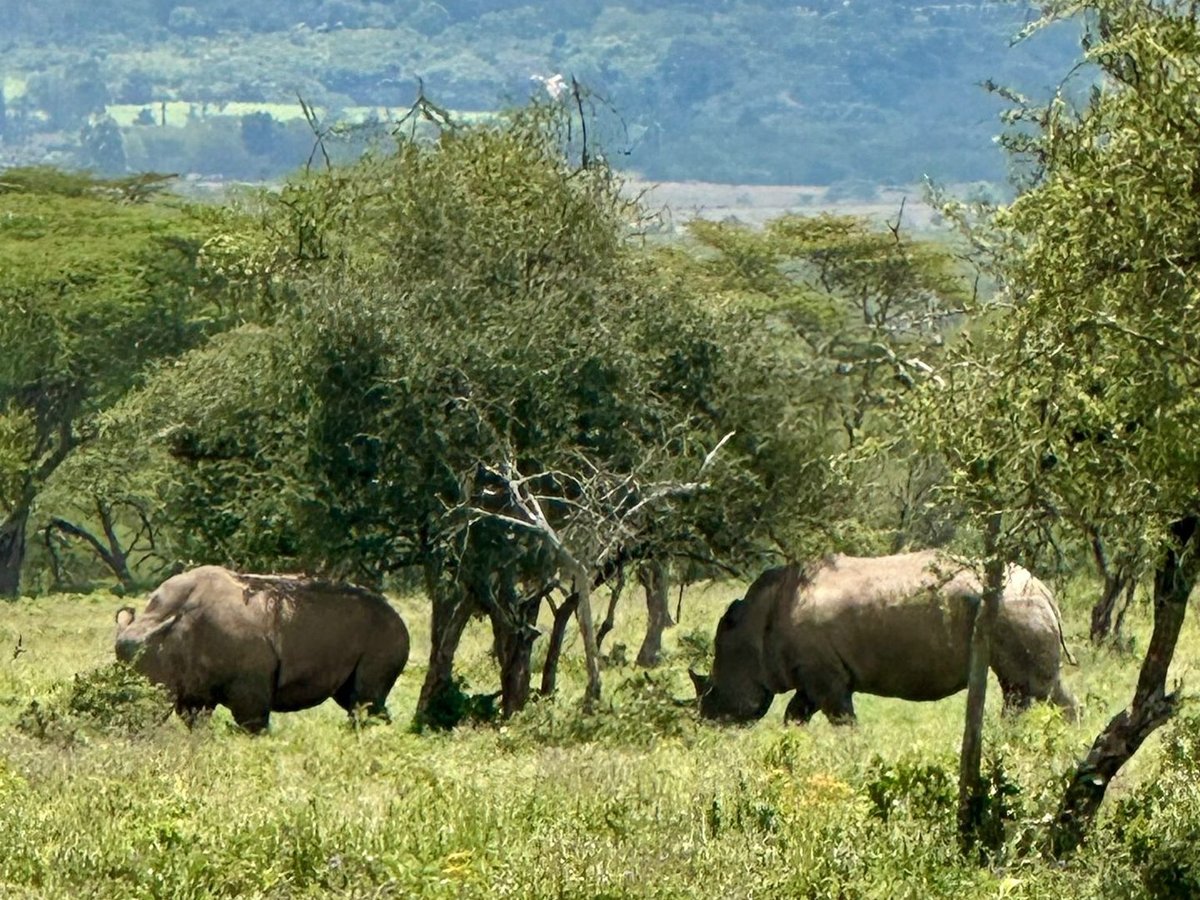
Wildlife in Tsavo West tends to be harder-won than in Amboseli's open plains — patches of thick bush conceal leopard, lesser kudu, and gerenuk — but that sense of discovery is precisely what draws travellers back. The red-dusted elephants of Tsavo, stained by the park's characteristic laterite soil, look almost like a different species from their pale Amboseli cousins. Black rhino, though elusive, move through the conserved wilderness of Ngulia Rhino Sanctuary inside the park. Bird life is exceptional: more than 600 species have been recorded across the wider Tsavo ecosystem, with raptors, hornbills, and the elegant African fish eagle all regularly seen.
The route runs Nairobi–Amboseli–Tsavo West–Nairobi, forming a satisfying southern loop that avoids retracing any road. Drives are generally comfortable — three to five hours on well-maintained tarmac and graded murram tracks — and the moderate pace leaves ample time for unhurried game drives at each destination. With four nights at mid-range lodges offering full board, this is an accessible introduction to Kenya's wildlife for first-time visitors and a classic southern circuit for repeat travellers who want to go deeper into two parks they may have only passed through before.
Route: Nairobi → Amboseli → Tsavo West → Nairobi





 Photo: Brihaspati / CC BY 4.0 · via Wikimedia Commons
 Kenya
Kenya