Cultural & Heritage · 5 days / 4 nights

Harar Walled City + Awash NP — 5 Days

The fourth-holiest city in Islam — 82 mosques inside 16th-century walls, nightly hyena-man tradition.

Overview

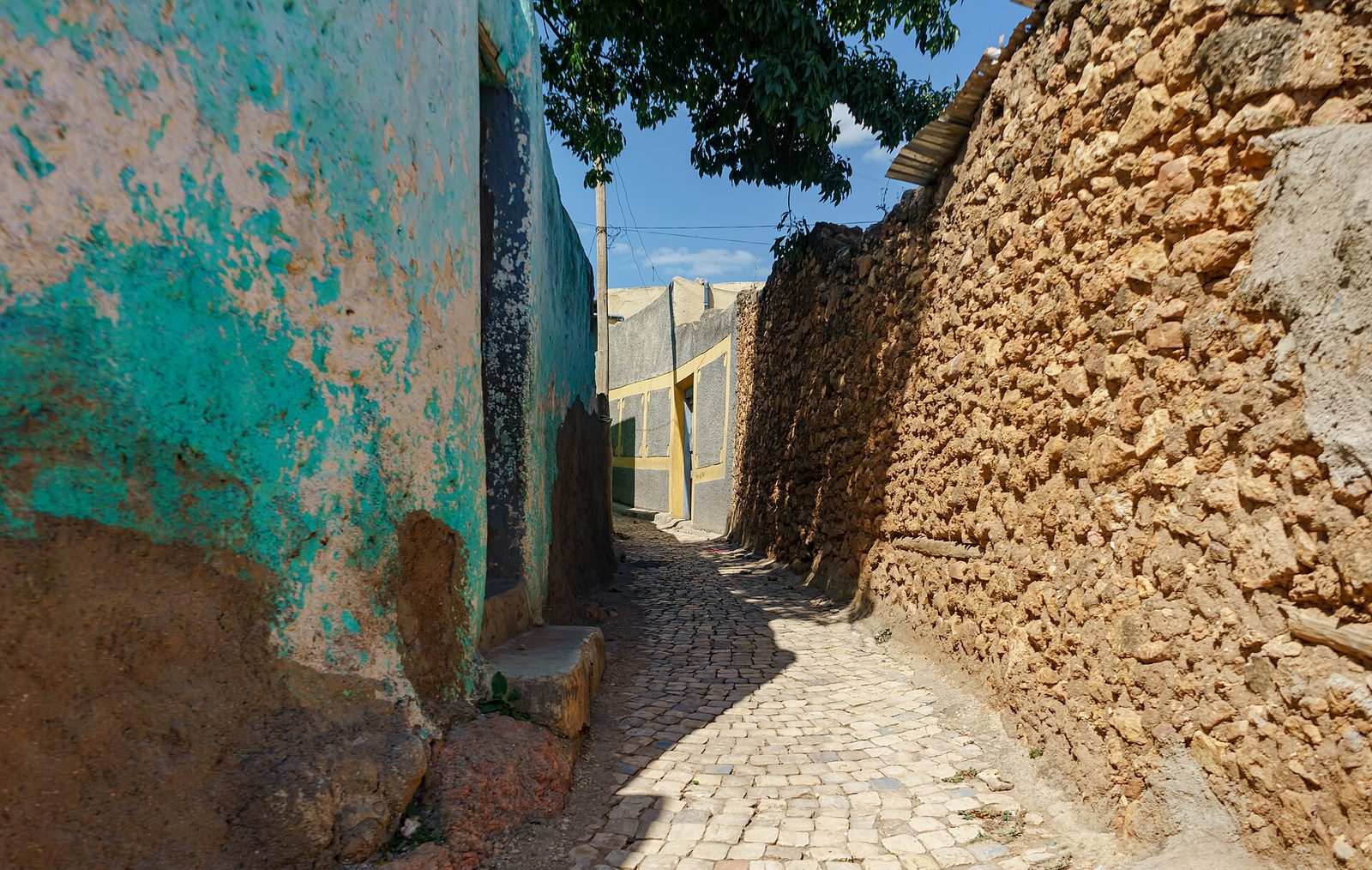
Harar Jugol is one of the great walled cities of the Islamic world — a UNESCO World Heritage Site enclosed by a 16th-century wall that still stands five metres high, pierced by just five historic gates. Inside, 368 narrow alleys wind between whitewashed Harari townhouses painted in shades of ochre, indigo and terracotta, passing 82 mosques and 102 shrines whose minarets punctuate a skyline unchanged for five centuries. Often called the fourth-holiest city in Islam after Mecca, Medina and Jerusalem, Harar draws pilgrims, scholars and travellers who come to walk in the footsteps of Rimbaud, Richard Burton and generations of Oromo and Somali merchants who filled its legendary markets with coffee, khat, incense and hand-woven baskets.

The city's most electrifying ritual belongs to the night. Each evening after dark, a hereditary hyena-man emerges beyond the Argob Gate and calls spotted hyenas down from the rocky hills surrounding the city. These are wild animals — powerful, raucous, arriving in a rush of pale shapes from the darkness — yet they come to take raw meat from a stick, from an outstretched hand, even from the lips of the hyena-man himself. The tradition is said to date back centuries, originally intended to appease hyenas and protect livestock; today it is one of Africa's most visceral and unforgettable wildlife encounters, best witnessed up close with your own torch and a good local guide.

Beyond the walls, Harar's Shoa Gate market spills colour and noise at dawn: sacks of freshly roasted Harari coffee — among the finest in a country that gave coffee to the world — mingle with pyramids of berbere spice, bolts of imported cloth and stacks of hand-woven baskets unique to Harari women. A visit to a traditional Harari house reveals interiors decorated with hanging baskets and embroidered textiles, the walls lined with niches holding heirloom ceramics. Nearby, the historic compound where the French poet Arthur Rimbaud lived during his years as a coffee trader in the 1880s still stands, now a small museum.

The journey east from Addis Ababa opens the itinerary with equal drama. Awash National Park, straddling the Great Rift Valley escarpment roughly four hours from the capital, protects a mosaic of acacia savannah, hot springs and the spectacular Awash River Gorge — a sheer basalt canyon where the turbulent river drops over a roaring waterfall before threading south through the arid lowlands. Beisa oryx, Swayne's hartebeest, Soemmering's gazelle and warthog graze the open plains while Egyptian vultures and the rare Lammergeier circle the gorge thermals. Baboon troops are constant company along the escarpment rim, and dik-dik pick their way through the scrub at the forest edge.

This five-day journey combines the wild Rift Valley south with the ancient walled city east, travelling by private 4x4 along the highway corridor that has connected Addis Ababa to the Somali coast for millennia. The pace is relaxed, the logistics are handled, and the reward is a rare double-bill: Africa's most atmospheric Islamic city and one of Ethiopia's most rewarding and accessible national parks, stitched together into a single unhurried week.

Route: Addis → Awash NP → Dire Dawa → Harar (3 nights) → fly Addis

Day-by-day itinerary

  1. 1

    Addis Ababa to Awash National Park

    Depart Addis Ababa after an early breakfast and drive east along the A1 highway as the city gives way to the highlands and then drops dramatically into the Great Rift Valley. Arrive at Awash National Park in time for a post-lunch game drive across the acacia savannah, searching for beisa oryx, Soemmering's gazelle and Swayne's hartebeest in the golden afternoon light. As the sun drops, walk to the rim of the Awash River Gorge to watch the river thunder over the falls before turning copper in the last light — one of the great landscapes of the Ethiopian Rift.

    🏨 Awash Falls Lodge (or similar) 🍽 L, D
  2. 2

    Awash NP Morning Drive — then on to Dire Dawa

    Rise before dawn for a morning game drive when the plains are coolest and wildlife most active — baboons, dik-dik and Egyptian vultures are reliably seen, and the Lammergeier sometimes soars over the gorge rim. After breakfast, continue east along the A1 through the flat Afar lowlands toward Dire Dawa, Ethiopia's second-largest city and the eastern terminus of the historic Franco-Ethiopian railway. Check in and use the afternoon to stroll Dire Dawa's lively Kezira market district, a melting pot of Oromo, Somali and Afar traders, before dinner at your hotel.

    🏨 Samrat Hotel Dire Dawa (or similar) 🍽 B, L, D
  3. 3

    Dire Dawa to Harar — Jugol Walking Tour

    Drive the scenic 55-kilometre mountain road from Dire Dawa up onto the Harar plateau (1,885 m), arriving at one of Africa's most intact medieval cities. After settling in, join your licensed local guide for a walking tour through the five ancient gates and into the labyrinth of alleys inside Harar Jugol — past the Grand Mosque, the Emir's Palace, and the vibrant Shoa Gate spice market where merchants have traded coffee, khat and incense for five centuries. In the evening, visit the hyena-man just outside the Argob Gate and watch wild spotted hyenas emerge from the darkness to be hand-fed in a ritual unique to Harar.

    🏨 Ras Hotel Harar (or similar) 🍽 B, L, D
  4. 4

    Harar — Deep Dive into Culture, Coffee & Crafts

    Spend a full day immersed in Harari life, beginning with a dawn visit to a traditional Harari house — a masterpiece of domestic architecture whose interior walls are lined with hanging baskets, embroidered textiles and heirloom ceramics. Visit the Rimbaud House museum in the compound where the French poet lived as a coffee trader in the 1880s, then lose yourself in the narrow alleys of the basket-weavers' quarter, where Harari women still produce the distinctive colourful baskets that have been traded here for generations. The afternoon is free to explore at your own pace — seek out a tiny coffee ceremony in a local home, sample Harari cuisine, or browse the Gidir Megala central market — before a final evening hyena feeding if you wish to experience it again.

    🏨 Ras Hotel Harar (or similar) 🍽 B, L, D
  5. 5

    Harar to Dire Dawa Airport — Fly Addis Ababa

    Enjoy a leisurely final breakfast in Harar, with time for any last-minute purchases in the old city before transferring back down to Dire Dawa Airport for your economy-class flight to Addis Ababa. Arrive in the capital in the early afternoon, allowing comfortable connections to international departures or an onward overnight stay.

    🍽 B

Includes

  • Private 4x4 vehicle with English-speaking driver-guide throughout
  • 4 nights accommodation on full-board basis (3 nights Harar, 1 night Awash)
  • Awash National Park entry fees and armed park ranger
  • Licensed walking guide for Harar Jugol old city tour
  • Hyena-man evening feeding session (entrance contribution included)
  • Return flight Dire Dawa to Addis Ababa (economy class)
  • Airport and hotel transfers
  • All meals as specified in the itinerary (B = breakfast, L = lunch, D = dinner)

Excludes

  • International flights to/from Ethiopia
  • Ethiopia visa and entry fees
  • Travel insurance (mandatory — clients must arrange independently)
  • Alcohol and soft drinks
  • Gratuities for guides, drivers and lodge staff
  • Personal spending, souvenirs and optional activities
  • Any meals not listed in the itinerary

Good to know — flights & hotels

This price is for the tour/adventure only. International & domestic flights and hotels are not included — we'll gladly suggest trusted options that you book directly.

You may also like

Lake Nakuru Day Safari
Kenya
From
$220/pp
1 day
City & Day Tours Easy

Lake Nakuru Day Safari

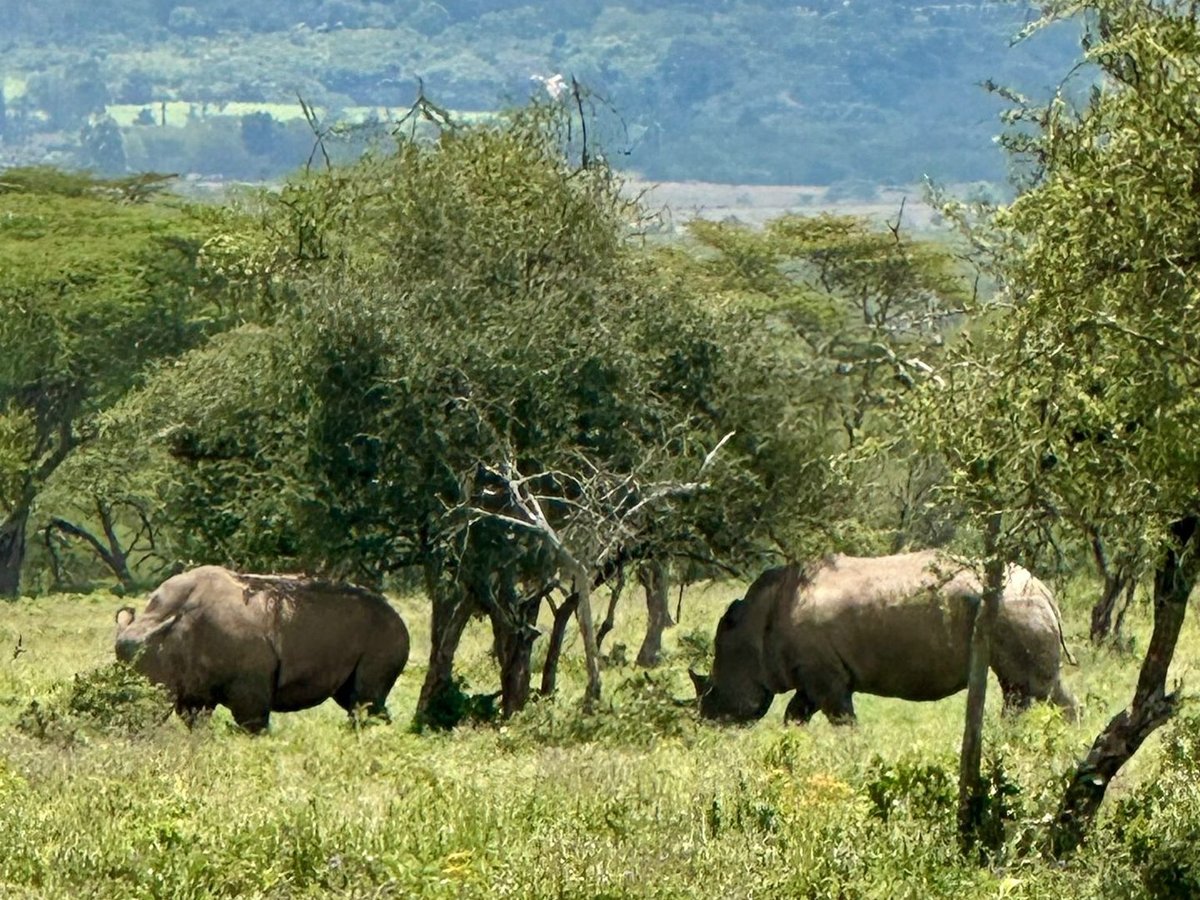
Rhinos, flamingos and Rift Valley views — a perfect Nairobi-to-Nakuru escape.

  • Return road transfer Nairobi–Lake Nakuru–Nairobi in a 4x4 Land Cruiser with pop-top roof hatch
  • Experienced professional driver-guide
  • Kenya Wildlife Service park entry fees for all passengers
From
$1290 per person sharing, minimum…
Book now