Nairobi National Park Morning Safari
A Big-Five game drive within the Nairobi city limits — the perfect arrival-day tour.
- ✓Return hotel pickup and drop-off within Nairobi
- ✓Pop-top 4×4 safari vehicle
- ✓Professional English-speaking driver-guide
Cultural & Heritage · 5 days / 4 nights
Kigali Memorial + Nyamata + Murambi + King's Palace + Ethnographic Museum + Iby'Iwacu.
Rwanda's story is one of the most layered in all of Africa — a nation that has passed through centuries of sophisticated royal governance, colonial disruption, catastrophic tragedy, and one of the world's most remarkable recoveries. This five-day cultural circuit traces all of those threads across the country's compact, hill-ribboned landscape, moving from the capital Kigali south through Bugesera and on to the ancient heartland of Nyanza and Huye, then north to the volcanic foothills of Musanze before returning to Kigali. Every drive is short enough to be comfortable, every stop is substantive enough to leave a lasting impression.
The journey opens at the Kigali Genocide Memorial in Gisozi, the most visited memorial site in Rwanda, where more than 250,000 victims are interred and three permanent exhibitions document the history leading up to, during, and after the 1994 genocide against the Tutsi. Moving south into the Bugesera district the next day, Nyamata and Ntarama churches stand exactly as they were in April 1994, their interiors preserved as solemn witnesses to what occurred within their walls — places that carry an emotional weight unlike almost anywhere else on Earth. Later in the journey, Murambi Technical School in the Southern Province adds another dimension: here a French-supported defence perimeter that never materialised drew tens of thousands of civilians who were then systematically killed; the site's low-slung classrooms and hillside location make the scale of the crime visible in a way that is both architectural and deeply human.
The circuit balances that weight with Rwanda's longer, prouder history. The reconstructed Royal Palace at Nyanza (Nyanza District, Southern Province) gives vivid life to the Nyiginya kingdom that preceded colonialism — the tall conical thatched palace, the sacred long-horned Inyambo cattle, the royal drum ceremonies and courtly rituals all explained by guides who connect them to living Rwandan identity. The National Museum of Rwanda in Huye (formerly Butare) is the finest ethnographic collection in the country, holding thousands of objects documenting weaving, pottery, ironwork, and royal regalia across many centuries. And in the north, on the edge of Volcanoes National Park, the Iby'Iwacu Cultural Village offers a participatory afternoon with a community that has channelled tourism into livelihoods — tracking mock gorilla families through the forest edge, learning to brew sorghum beer, listening to intore dancers, and sitting with community elders.
Throughout the tour your licensed cultural guide interprets context that signage alone cannot convey — the nuances of pre-colonial Rwandan social structure, the role of the church during the genocide, the government's reconciliation and gacaca community-justice process, and the country's current ambitions as a technology and conservation hub. Rwanda is small, green, and meticulously maintained; the roads are excellent, the mid-range hotels are clean and well-run, and the country's zero-tolerance policy on plastic bags means arriving in Kigali already feels like entering a different kind of African capital. This is not an easy tour emotionally, but it is an important one — and Rwanda's landscapes, warmth, and extraordinary forward momentum make it profoundly hopeful too.
Route: Kigali → Bugesera → Nyanza → Huye → Murambi → Musanze → Kigali
Your driver-guide meets you at Kigali International Airport and transfers you to your hotel in the city centre, with time to freshen up before the afternoon's visit to the Kigali Genocide Memorial at Gisozi. Set on a hillside overlooking the capital, the memorial is the resting place of more than 250,000 genocide victims and houses three permanent exhibitions — the history of the genocide, the wider context of genocides around the world, and a deeply moving children's wing. Your licensed guide walks you through the grounds and galleries at a measured pace, providing historical context and space for reflection. The evening is free to explore Kigali's lively Kimironko or KG 9 Avenue restaurant scene.
After an early breakfast you drive south-east from Kigali about 35 kilometres into the Bugesera district, historically one of Rwanda's most marginalised areas and among the hardest hit in 1994. Nyamata Catholic Church, where approximately 10,000 people sought refuge and were killed, is preserved exactly as the rescuers found it — the bullet-pocked ceiling, the clothing of victims draped over pews, the underground crypt. A short drive away, Ntarama Church tells a similar story on a smaller and no less devastating scale. Your guide frames these sites within the broader political and social history of Rwanda both before and after independence, and the afternoon drive back to Kigali is deliberately unhurried to allow time for conversation and quiet reflection.
Today's drive heads south-west from Kigali along the RN1 highway toward Nyanza, roughly two hours through Rwanda's famous thousand hills — terraced slopes of tea and cassava, valley wetlands, and red-earth roads winding between ridges. The reconstructed Royal Palace (ikirimba) at Nyanza is a spectacular conical thatched structure that gives immediate form to the sophistication of the Nyiginya kingdom; the adjacent cattle enclosure holds the sacred long-horned Inyambo cattle, trained for generations to hold their enormous horns in dignified postures. Continuing south to Huye (formerly Butare), the National Museum of Rwanda presents the country's finest ethnographic collection — thousands of objects from weaving and pottery to ironwork and royal regalia. Dinner and overnight in Huye near the National University campus.
The morning takes you west from Huye to Murambi Technical School, one of the largest and most affecting genocide memorial sites in Rwanda. On a prominent hill above Gikongoro, French-assisted defence positions drew more than 45,000 civilians seeking protection; the classrooms of the unfinished school instead became killing grounds. The site's preserved rooms are stark and unambiguous, and its hillside position — looking out over green valleys in every direction — makes the historical geography viscerally legible. After lunch and quiet time at the site, you drive north through Rwanda's interior highlands toward Musanze (Ruhengeri), the gateway town beneath the Virunga volcanoes — a journey of roughly three and a half to four hours that passes through Kigali without stopping. Arrive in Musanze for dinner with the silhouette of the Virunga peaks visible to the north.
A final morning at altitude before the drive back to the capital: Iby'Iwacu Cultural Village, established by former poachers-turned-conservation-ambassadors on the edge of Volcanoes National Park, offers an energetic two-hour community experience — mock gorilla tracking through bamboo, intore dance and drumming performances, traditional medicine walks, sorghum-beer brewing, and the chance to sit with village elders and hear firsthand how the community has shifted from dependence on the forest to leadership in its protection. By early afternoon you are on the two-hour highway back to Kigali, arriving in time for a city lunch before your driver-guide delivers you to the international airport or drops you at your onward hotel.
This price is for the tour/adventure only. International & domestic flights and hotels are not included — we'll gladly suggest trusted options that you book directly.
A Big-Five game drive within the Nairobi city limits — the perfect arrival-day tour.
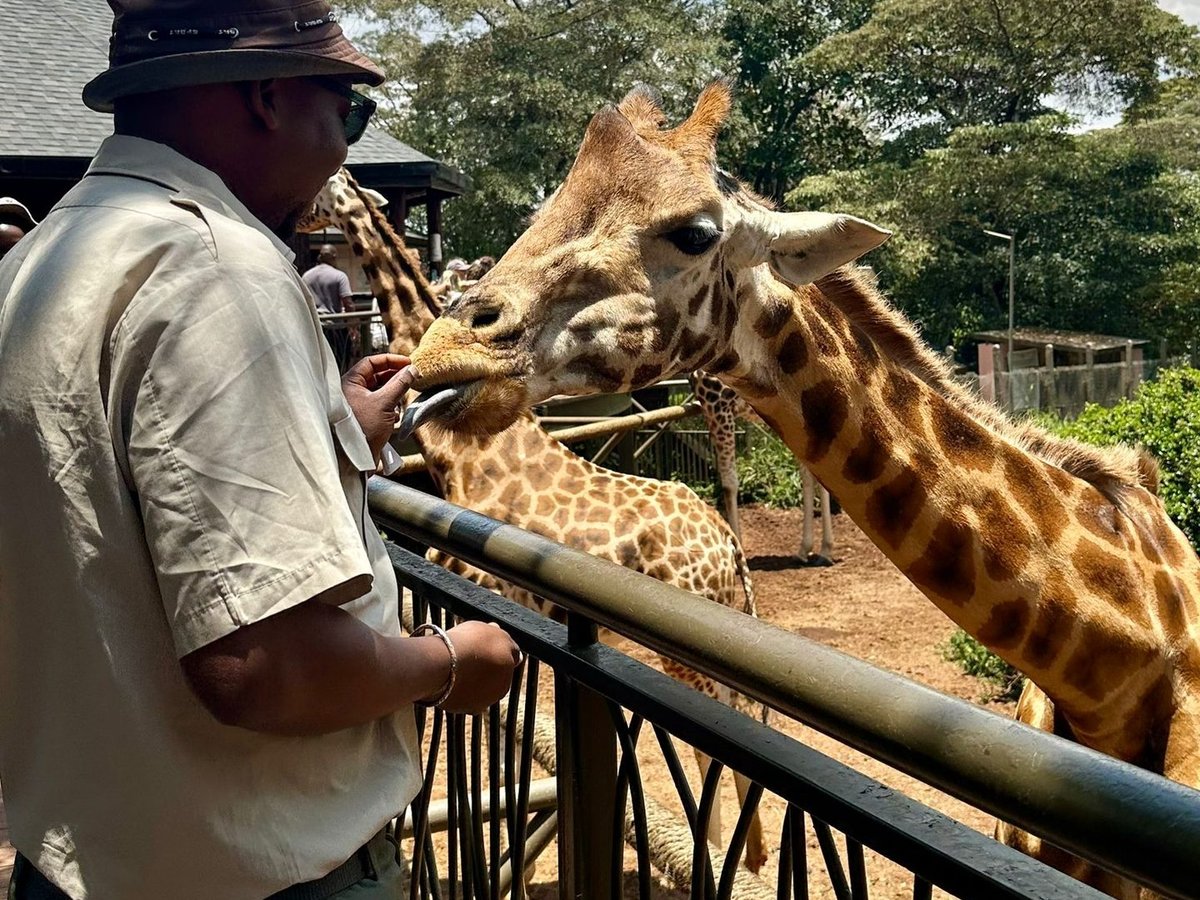
A cultural half-day — hand-feed giraffes and tour the 'Out of Africa' farmhouse.
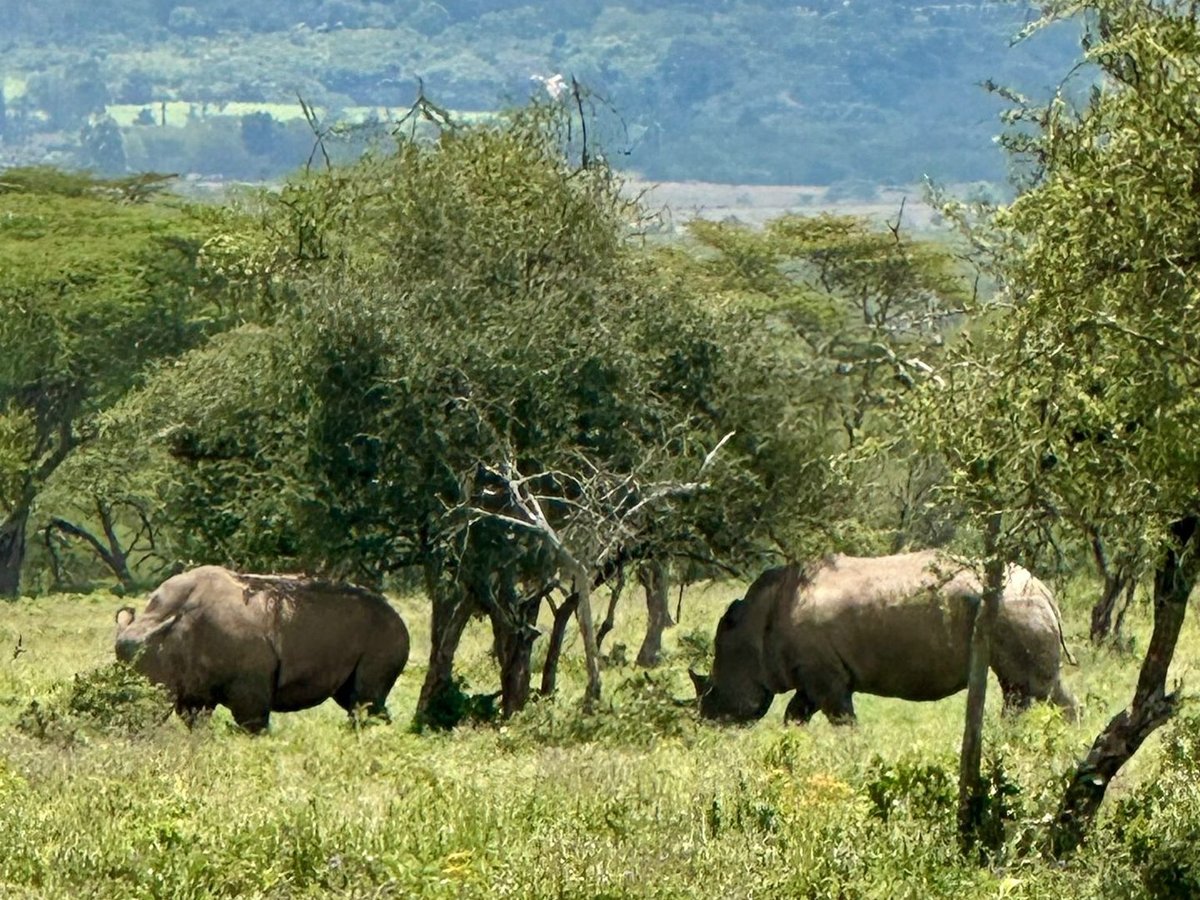
Rhinos, flamingos and Rift Valley views — a perfect Nairobi-to-Nakuru escape.
How would you like to chat?
Continue on WhatsApp Talk to a real person on +254720749526