Nairobi National Park Morning Safari
A Big-Five game drive within the Nairobi city limits — the perfect arrival-day tour.
- ✓Return hotel pickup and drop-off within Nairobi
- ✓Pop-top 4×4 safari vehicle
- ✓Professional English-speaking driver-guide
Wildlife Safaris · 6 days / 5 nights
February in the southern Serengeti — half a million calves and concentrated predators.
Each year between late January and March, the southern Serengeti undergoes one of nature's most astonishing transformations. The vast wildebeest herds — numbering over a million animals — converge on the short-grass plains around Ndutu, drawn by the nitrogen-rich pasture that erupts after the short rains. At the peak of the season, up to 8,000 calves are born every single day, filling the open savannah with the sound of bleating newborns and the low thunder of hooves. It is the migration's secret season, less famous than the Mara river crossings but arguably more dramatic in its concentrated intensity.
Ndutu sits at the intersection of the Ngorongoro Conservation Area and the Serengeti ecosystem, giving your guide the flexibility to follow the herds wherever they roam — on and off the main tracks. Cheetahs stalk the open floodplains by day, lions ambush the edges of the herds at dawn, and spotted hyenas move in rowdy clans through the night. Leopards drape themselves over acacia branches along the woodland fringe, while golden jackals dart between hooves to snatch afterbirths. The density of predator-prey interaction here rivals anything the continent offers.
Your journey begins at Lake Manyara, a green ribbon of papyrus and fever trees along the base of the Rift Valley escarpment, home to tree-climbing lions and vast flocks of lesser flamingos. From there the route climbs onto the Ngorongoro Highlands before descending onto the Ndutu plains, where a mobile tented camp places you directly inside the calving grounds — no long drives back to a lodge, just canvas and starlight between you and the wilderness.
The circuit closes with a full descent into the Ngorongoro Crater, the world's largest intact volcanic caldera and a UNESCO World Heritage Site. The 600-metre walls enclose an 8,300-hectare floor where black rhino, elephant, buffalo, and all the big cats share a single self-contained ecosystem. It is a fitting finale — an intimate, bowl-shaped arena that concentrates wildlife the way Ndutu concentrates wildebeest, leaving you with layered memories of two of Africa's most singular landscapes.
Route: Arusha → Manyara → Ndutu/southern Serengeti → Ngorongoro → Arusha

Your guide meets you in Arusha after breakfast and you set out west along the Great Rift Valley road, stopping at a Maasai craft market on the outskirts of town before the tarmac gives way to red-dust tracks and baobab-studded hillsides. Lake Manyara National Park opens with a dense groundwater forest sheltering troops of olive baboon and blue monkey before the canopy breaks onto the alkaline lakeshore, where flocks of lesser flamingo turn the shallows pink. An afternoon game drive seeks out the park's famous tree-climbing lions resting in the branches of massive fig trees, and a sundowner overlooking the lake closes your first East African evening.
A full breakfast at the lodge is followed by a scenic drive up the Rift Valley escarpment onto the Ngorongoro Highlands, where Maasai cattle graze misty moorland at over 2,400 metres. The road crosses the crater rim — your first breathtaking glimpse into the caldera far below — then descends westward through montane forest onto the open Ndutu plains. By early afternoon the savannah opens dramatically and wildebeest appear in their thousands, the horizon alive with moving animals. Camp is set up in a grove of yellow-bark acacias; sundowners are served as the first hyenas begin to call.
Rise before dawn for a flask of coffee and a pre-sunrise departure onto the plains, positioning the vehicle where the herds bedded overnight. The first hours after dawn are the most explosive: lions complete night hunts, cheetahs begin their morning scans, and the wildebeest are at peak calving intensity, newborns attempting their first unsteady steps within minutes of birth. Your guide reads animal behaviour and tracks to find the hotspots, and a packed bush lunch lets you stay in the field through the midday hours — a key advantage of a mobile camp. A late-afternoon drive covers different terrain, often revealing leopard, bat-eared fox, and secretary birds before returning to camp for a hot dinner under a canopy of stars.
A second full day at Ndutu allows you to go deeper: the woodland edge bordering Lake Ndutu itself holds resident leopard and a remarkable density of bird life, including grey-crowned cranes, kori bustards, and Martial eagles scanning for prey from dead trees. Spotted hyena dens are active with cubs tumbling at the entrance in the cool morning air, and cheetah coalitions hunt cooperatively across the open flats. Late afternoon often rewards patience near the seasonal pools where elephants drink and lions wait in the reed margins — a reminder that Ndutu is not just a calving ground but a fully functioning predator ecosystem.
After a final early-morning game drive on the calving plains you bid farewell to the mobile camp and drive east, climbing back through the Conservation Area as the grasslands give way to highland forest draped in old-man's beard lichen. The crater rim lodge sits at 2,286 metres with sweeping views across the caldera below, mist often clinging to the walls in the late afternoon. This evening is yours to relax, review wildlife photographs, and listen to the distant roar of lions echoing up from the crater floor — a theatrical promise of tomorrow's descent.
Depart the lodge early and descend the steep crater wall into the 260-square-kilometre caldera floor, a self-contained world where dense populations of black rhino, cape buffalo, zebra, wildebeest, elephant, and all five big cats share a single highland ecosystem. Hippo pools, soda-ash flamingos on Lake Magadi, and the occasional critically endangered black rhino browsing the short turf make this one of Africa's most reliable wildlife destinations in any season. A hot picnic lunch is served at the crater floor hippo pool before the 4×4 climbs back out via the ascent road, and you drive south through Arusha, arriving in time for an evening flight or onward connection.
This price is for the tour/adventure only. International & domestic flights and hotels are not included — we'll gladly suggest trusted options that you book directly.
A Big-Five game drive within the Nairobi city limits — the perfect arrival-day tour.
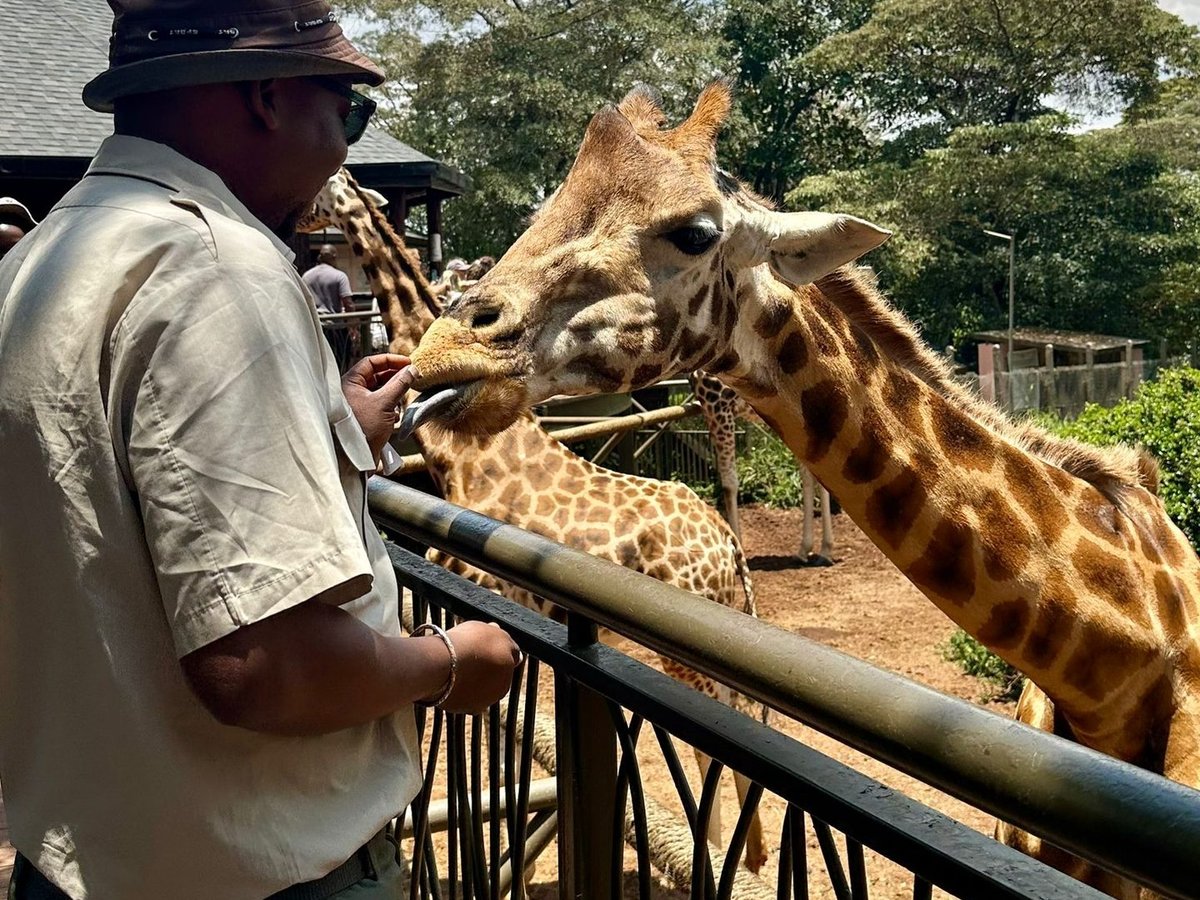
A cultural half-day — hand-feed giraffes and tour the 'Out of Africa' farmhouse.
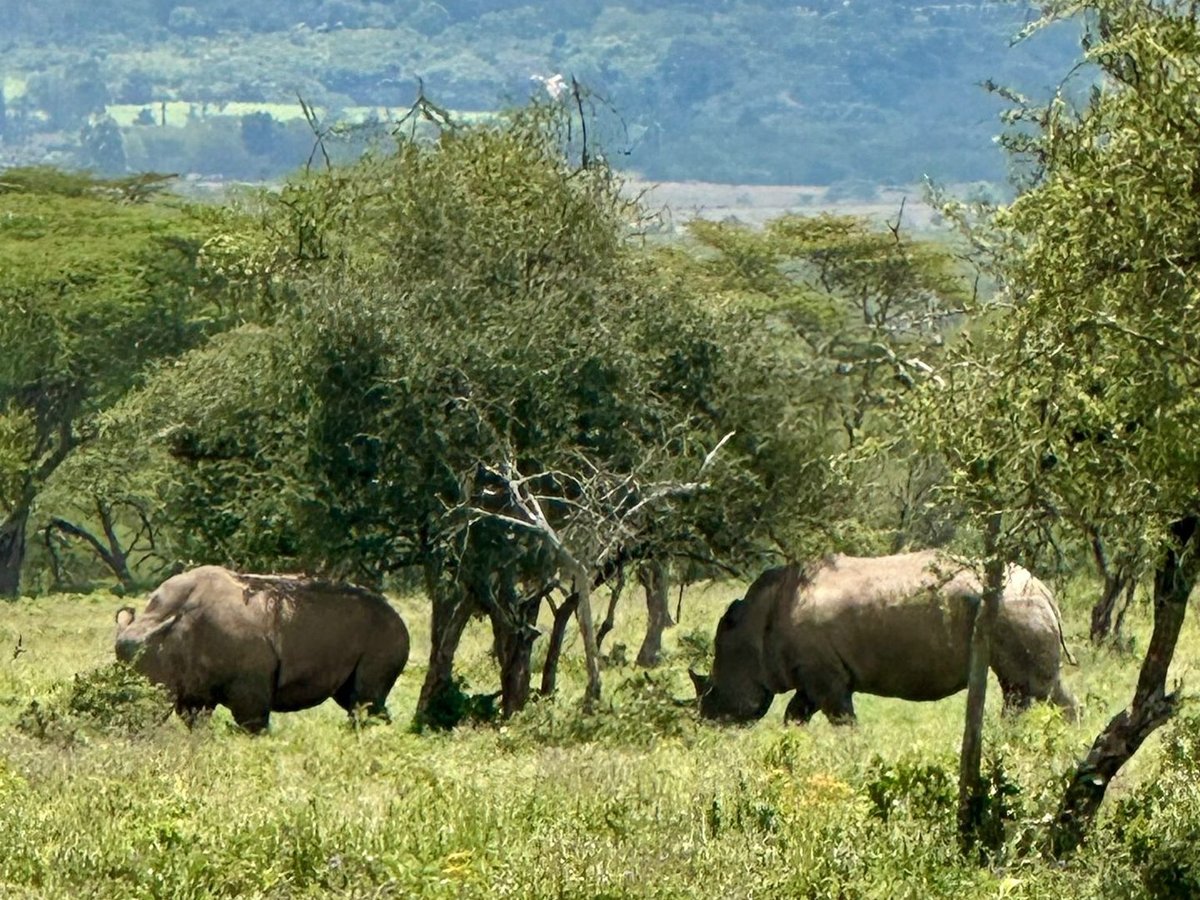
Rhinos, flamingos and Rift Valley views — a perfect Nairobi-to-Nakuru escape.
How would you like to chat?
Continue on WhatsApp Talk to a real person on +254720749526