-
1
Arrival in Arusha
Your driver-guide meets you at Kilimanjaro International Airport or Arusha Airport and transfers you to your lodge on the outskirts of Arusha, a highland city set at 1,400 metres beneath the twin peaks of Mount Kilimanjaro and Mount Meru. The afternoon is free to recover from your journey, freshen up, and receive a detailed briefing on the ten-day itinerary ahead. Dinner is served at the lodge as the cool highland air settles in — a gentle first evening before the circuit begins.
🏨 Arusha Coffee Lodge (or similar)
🍽 D
-
2
Arusha National Park — Colobus & Crater Lakes
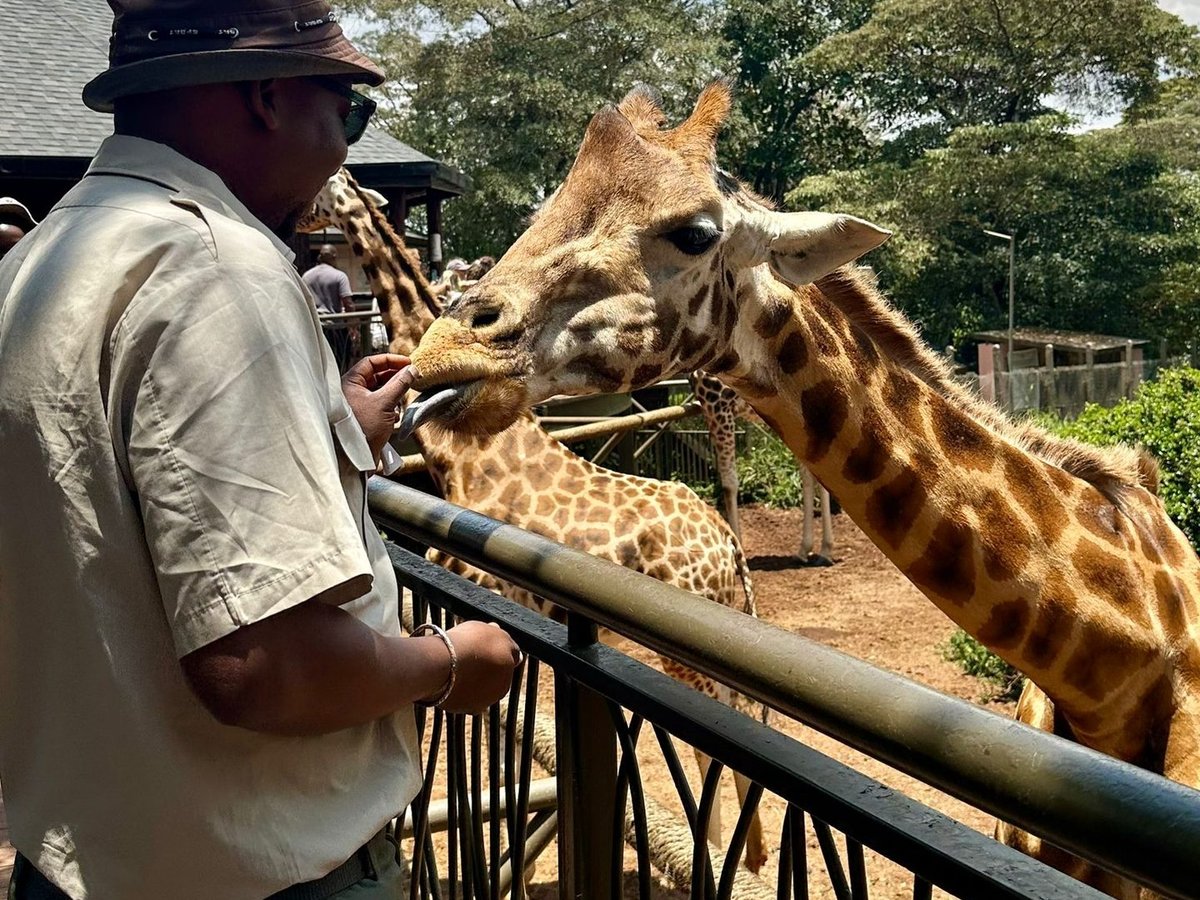
An early-morning start takes you into Arusha National Park, one of Tanzania's most underrated yet most scenic reserves, which wraps around the flanks of Mount Meru and encompasses a series of clear crater lakes, montane forest, and open moorland. Black-and-white colobus monkeys swing through the forest canopy while buffalo graze in the glades, and giraffes — arguably the most elegant in Tanzania — move elegantly through the acacia woodland. The Momella Lakes, fed by underground springs and varying in alkalinity, attract waterfowl and often flamingos, and on a clear day the summit of Kilimanjaro rises above the cloud to the east. This half-day or full-day game drive provides excellent acclimatisation to the safari rhythm before the more intense game areas of the northern circuit.
🏨 Arusha Coffee Lodge (or similar)
🍽 B, L, D
-
3
Drive to Tarangire — Land of Giants
After breakfast, you drive southwest from Arusha (approximately three hours through Maasai boma country and dry miombo savannah) to Tarangire National Park, entering through the main gate in time for an afternoon game drive. The Tarangire River, which never dries completely, acts as a magnet for wildlife during the dry season, drawing elephant herds of extraordinary size — it is common to see a hundred animals drinking and socialising along its sandy banks in a single afternoon. Ancient baobab trees, some over a thousand years old, punctuate the skyline and provide roosting sites for yellow-collared lovebirds and starlings. Lions are regularly seen near the river, and the park is one of the best places in Tanzania to find both greater and lesser kudu.
🏨 Tarangire Safari Lodge (or similar)
🍽 B, L, D
-
4
Tarangire Full Day — Elephant Country
A full day in Tarangire allows you to explore beyond the river corridor into the park's more remote southern zones, where fewer vehicles venture and the wilderness feeling intensifies. Morning game drives often yield the best elephant sightings as herds move between water and feeding grounds in the early light, and predator activity peaks around dawn. Afternoon drives into the swamp zones can reveal python, large monitor lizards, and extraordinary concentrations of waterbirds including saddle-billed storks and black herons. A sundowner pause atop a ridge as the baobabs turn gold is one of the quiet highlights of the northern circuit.
🏨 Tarangire Safari Lodge (or similar)
🍽 B, L, D
-
5
Lake Manyara — Flamingos & Tree-Climbing Lions
The morning drive north and west brings you down from the plateau to Lake Manyara National Park, tucked between the sheer face of the Great Rift Valley escarpment and the alkaline waters of the lake itself. The park is compact but extraordinarily productive: ground hornbills stalk through the fever-tree forest at the entrance, hippo pools offer lethargic comic relief in the afternoon heat, and the western shoreline — when water levels are right — turns pink with thousands of lesser flamingos. Manyara is most famous for its tree-climbing lions, a behavioural curiosity unique to this park and the Queen Elizabeth National Park in Uganda, and your guide will know the most productive fig trees and drainage lines to check. An afternoon game drive along the lakeshore rounds off the day before you settle into your camp at the crater rim.
🏨 Lake Manyara Serena Lodge (or similar)
🍽 B, L, D
-
6
Into the Serengeti — Endless Plains
Today you enter the Serengeti, driving west through the Ngorongoro Conservation Area highlands and descending through the Ngorongoro Gate onto the open plains — one of the most dramatic entrances in African travel, as the land suddenly opens to a horizon that seems to stretch forever. The Central Serengeti's Seronera Valley is your first game area: a reliable year-round wildlife zone where the Seronera and Orangi rivers support resident lion prides, leopards resting in sausage trees, and enormous gatherings of herbivores. Kopjes — granite island formations rising from the plains — harbour klipspringers, rock hyrax, and often a pride of lions using the elevated vantage point to watch for prey. Arrive at your camp in time for a sundowner and your first Serengeti sunset.
🏨 Serengeti Serena Safari Lodge (or similar)
🍽 B, L, D
-
7
Serengeti — Migration & Predators
A full day in the Serengeti is among the great privileges of East African travel, and your guide will deploy the morning briefing — park radio, ranger intel, and experience — to position you where the action is happening. During the calving season (roughly January to March) the short-grass plains south of Seronera hold wildebeest in their hundreds of thousands as new calves attract a spectacular concentration of cheetah, wild dog, and lion; in the dry season the herds push north toward the Mara River crossings. Morning drives begin before sunrise with packed breakfasts eaten in the vehicle; afternoon drives extend to the last legal light. The full day format means you can follow a cheetah hunt, wait at a kill, or simply absorb the incomparable scale of the Serengeti without the pressure of a gate time.
🏨 Serengeti Serena Safari Lodge (or similar)
🍽 B, L, D
-
8
Serengeti to Ngorongoro — Crater Rim Sunset
A final morning game drive in the Serengeti before your vehicle climbs east toward the Ngorongoro Crater rim, a drive that takes you through rolling highlands covered in montane forest and Maasai pastoral land. You arrive at the rim in the afternoon, looking down 600 metres into the caldera floor — a natural amphitheatre of grassland, swamp, and soda lake that has been called the eighth wonder of the natural world. The view from the rim lodges at sunset, with cloud banks rolling in from the east and the crater filling with shadow, is one of those images that stays with you long after you have returned home. Dinner and a final briefing prepare you for the crater descent at dawn.
🏨 Ngorongoro Serena Safari Lodge (or similar, crater rim)
🍽 B, L, D
-
9
Ngorongoro Crater Descent — Black Rhino & Big Five
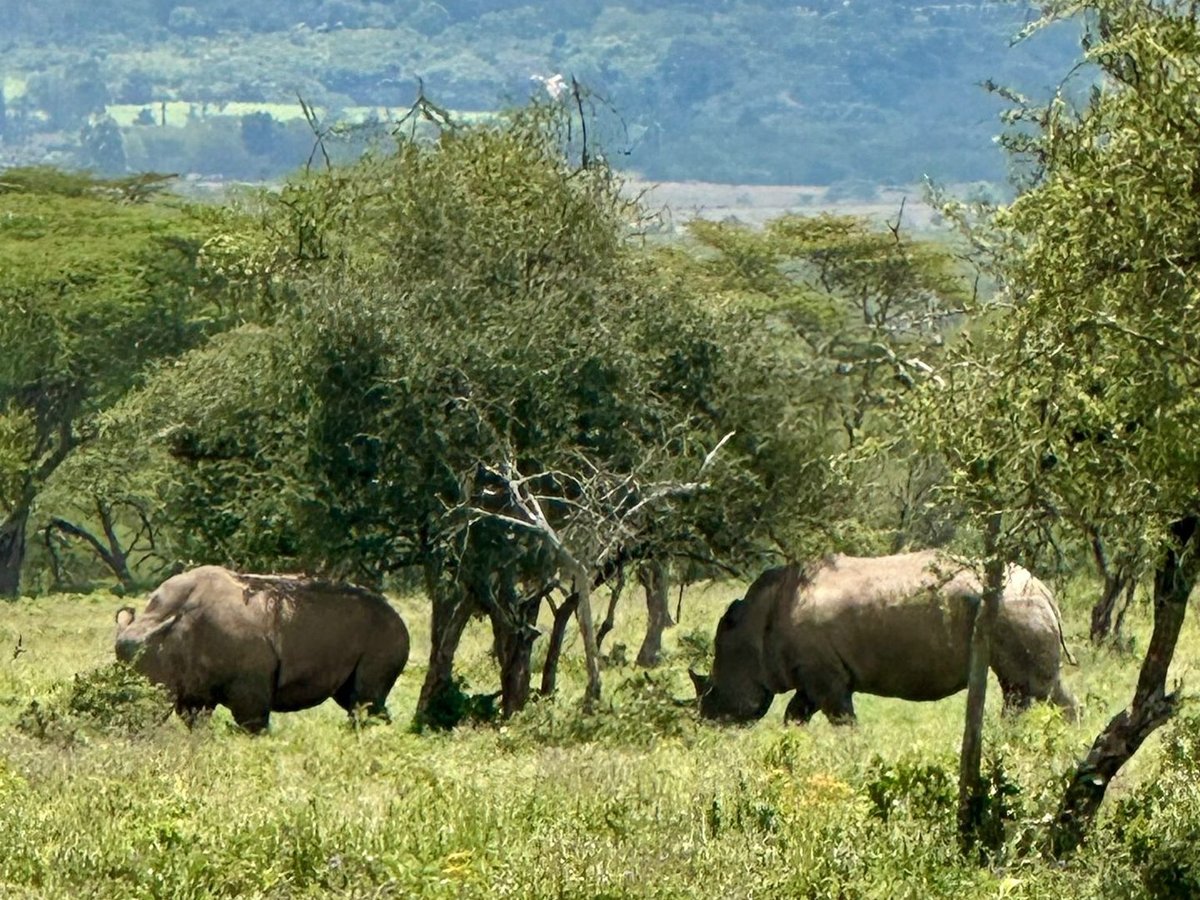
Rising before dawn to descend into the crater as the morning mist lifts from the floor is an experience that seasoned safari-goers rate among the finest in Africa. The 600-metre descent road winds through the forest zone — where elephants with notably large tusks are often encountered — before the track levels onto the crater floor, a 260-square-kilometre enclosed ecosystem supporting around 25,000 large mammals. Black rhino, one of the most endangered animals on the planet, are seen here with more regularity than almost anywhere else in Tanzania; your guide will know the areas where they graze and the patience required to wait for a clear sighting. Lion, hyena, cheetah, and a dense concentration of wildebeest and zebra make every hour in the crater productive. After a picnic lunch beside the hippo pool at Lake Magadi, you ascend in the afternoon and transfer to Arusha to overnight before your flight.
🏨 Arusha Coffee Lodge (or similar)
🍽 B, L, D
-
10
Fly to Zanzibar — Stone Town & the Swahili Coast
A morning transfer to Arusha Airport for your light aircraft flight to Zanzibar brings the most striking transition of the journey: within an hour you trade red-dust savannah for turquoise Indian Ocean and the white-coral architecture of Stone Town. Your guide meets you for a half-day walking tour of this UNESCO World Heritage city — the old fort, the ornate carved doors of the merchant houses, the former slave market and Anglican Cathedral, and the bustling Darajani market where cloves, cinnamon, and dried fish fill the air with competing aromas. The afternoon is free to explore independently, relax at the beach, or arrange a sunset dhow cruise. Dinner in a Stone Town rooftop restaurant overlooking the harbour brings this grand northern circuit journey to a close.
🏨 Zanzibar Serena Hotel (or similar, Stone Town)
🍽 B





 Photo: Brihaspati / CC BY 4.0 · via Wikimedia Commons
 Kenya
Kenya